The Revival of Mumbai’s Parsi Cafes: A Journey Through Culinary Heritage
Mumbai, often celebrated for its vibrant street food and diverse culinary landscape, holds within its bustling heart a cherished treasure: the Parsi cafes. These quaint establishments, with their vintage charm and delectable offerings, have been an integral part of the city’s cultural fabric for over a century. The evolution of Mumbai’s Parsi cafes is a story of resilience, tradition, and the timeless allure of comfort food.
A Nostalgic Beginning
The origins of Mumbai’s Parsi cafes trace back to the late 19th and early 20th centuries, when Parsi immigrants from Persia (modern-day Iran) settled in the city. They brought with them not just their Zoroastrian faith, but also a rich culinary heritage. These cafes quickly became social hubs, offering a blend of Persian and Indian flavours that catered to the eclectic tastes of Mumbai’s diverse populace.
The Golden Era
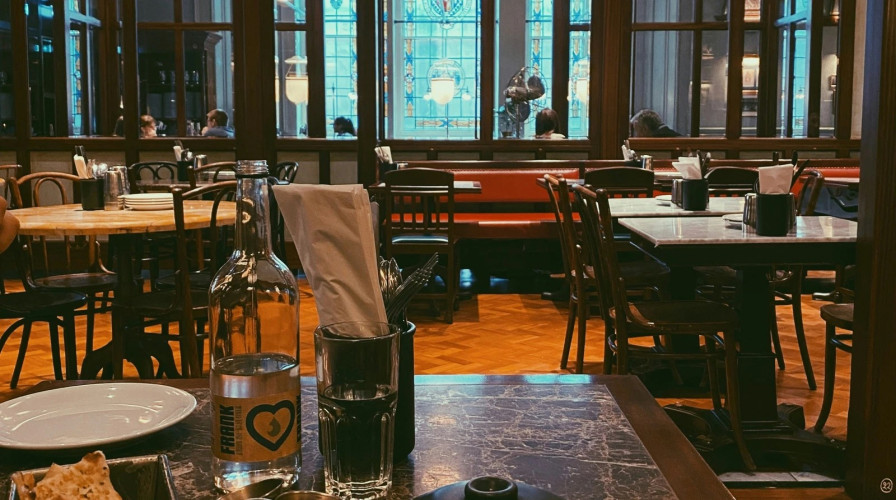
The mid-20th century marked the golden era of Parsi cafes in Mumbai. Establishments like Britannia & Co., Kyani & Co., Yazdani Bakery, and Cafe Military became synonymous with the city’s dining culture. These cafes were characterized by their distinctive decor – checkered tablecloths, high ceilings, sepia-toned photographs, and wooden furniture – creating an ambiance that transported patrons to a bygone era.
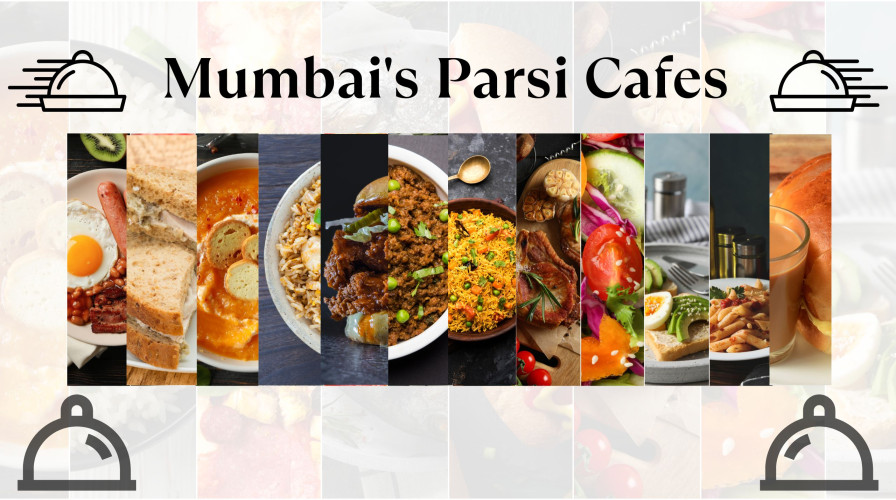
The menu, a delightful medley of Parsi and Indian cuisine, featured dishes like Dhansak (a hearty meat and lentil stew), Patra ni Machhi (fish steamed in banana leaves), and Berry Pulao (a fragrant rice dish studded with barberries). The legendary bun Maska(buttered bun) and chai became quintessential offerings, drawing in everyone from students and office-goers to artists and intellectuals.
The Decline
As Mumbai modernized, the Parsi cafes faced numerous challenges. The rise of fast food joints and contemporary restaurants led to a decline in patronage. Many cafes struggled to keep up with the changing times, leading to closures and a gradual fading of this unique culinary tradition. The dwindling Parsi population further exacerbated the situation, as the next generation often sought different career paths, moving away from the family-run cafe business.
A Resilient Revival
Despite the challenges, the last decade has witnessed a heartening revival of Mumbai’s Parsi cafes. This resurgence can be attributed to a growing nostalgia for authentic, home-cooked meals and a renewed interest in preserving cultural heritage. Social media and food bloggers have played a significant role in bringing these hidden gems back into the spotlight, attracting both locals and tourists eager to experience a slice of history.
Cafes like Britannia & Co. and Kyani & Co. have become popular not just for their food, but for the stories they tell. The elderly owners, often seen chatting with customers, share anecdotes that provide a glimpse into Mumbai’s past. This personal touch, combined with the timeless appeal of Parsi cuisine, has endeared these establishments to a new generation of food enthusiasts.
The Way Forward
The evolution of Mumbai’s Parsi cafes is a testament to the city’s ability to embrace change while cherishing its roots. These cafes stand as a bridge between the old and the new, offering a unique dining experience that is steeped in history. As Mumbai continues to evolve, the Parsi cafes remain a beloved constant, reminding us of the rich tapestry of cultures that make the city so special.
In preserving and celebrating these culinary havens, Mumbai ensures that future generations can savour not just the flavours, but the stories and heritage that define the city’s vibrant spirit. So, the next time you find yourself in Mumbai, take a step back in time and indulge in the simple, soulful pleasure of a Parsi cafe – where every meal is a journey through history.
Related Tag :